Ever wonder where the water in your tap comes from, or where rain goes once it hits the ground? Every drop of water belongs to a watershed. Across Canada, watersheds quietly support life, shape ecosystems, and sustain our communities. And…did you know? Canada supplies about 20% of the world’s freshwater, 35% of which is considered “renewable”, with most of that water held in the Great Lakes–St. Lawrence basin, making the protection of Canada’s watersheds more important than ever in the face of global climate change.
First, what exactly are watersheds?
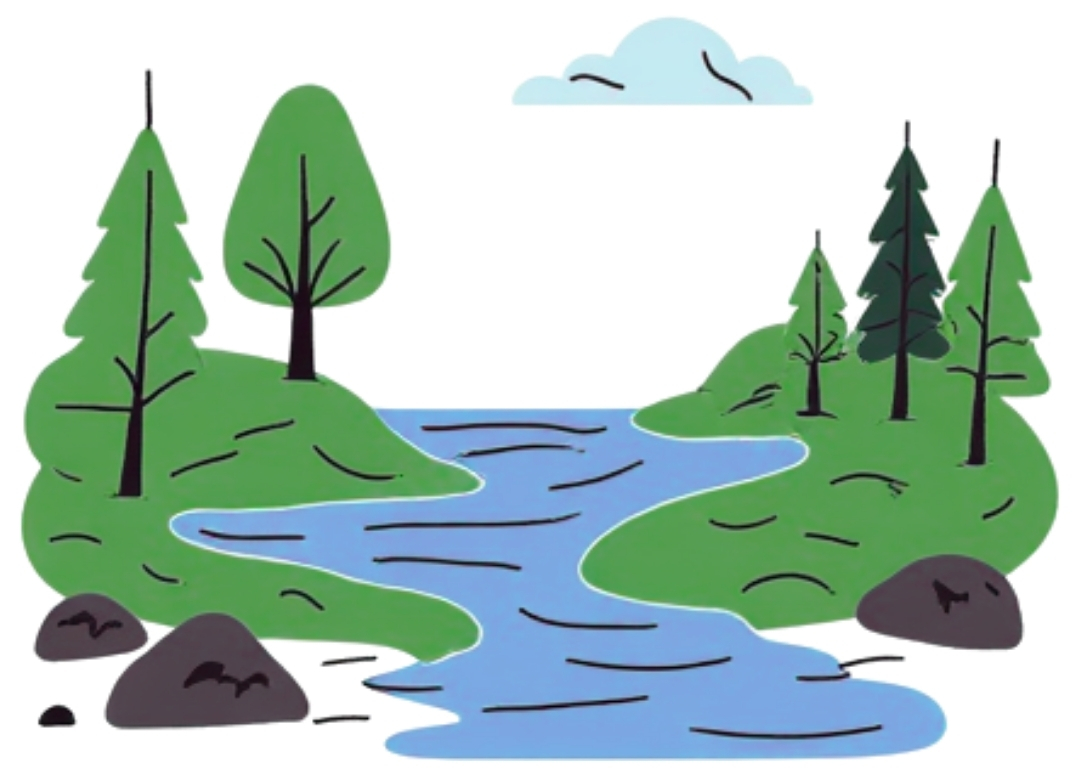
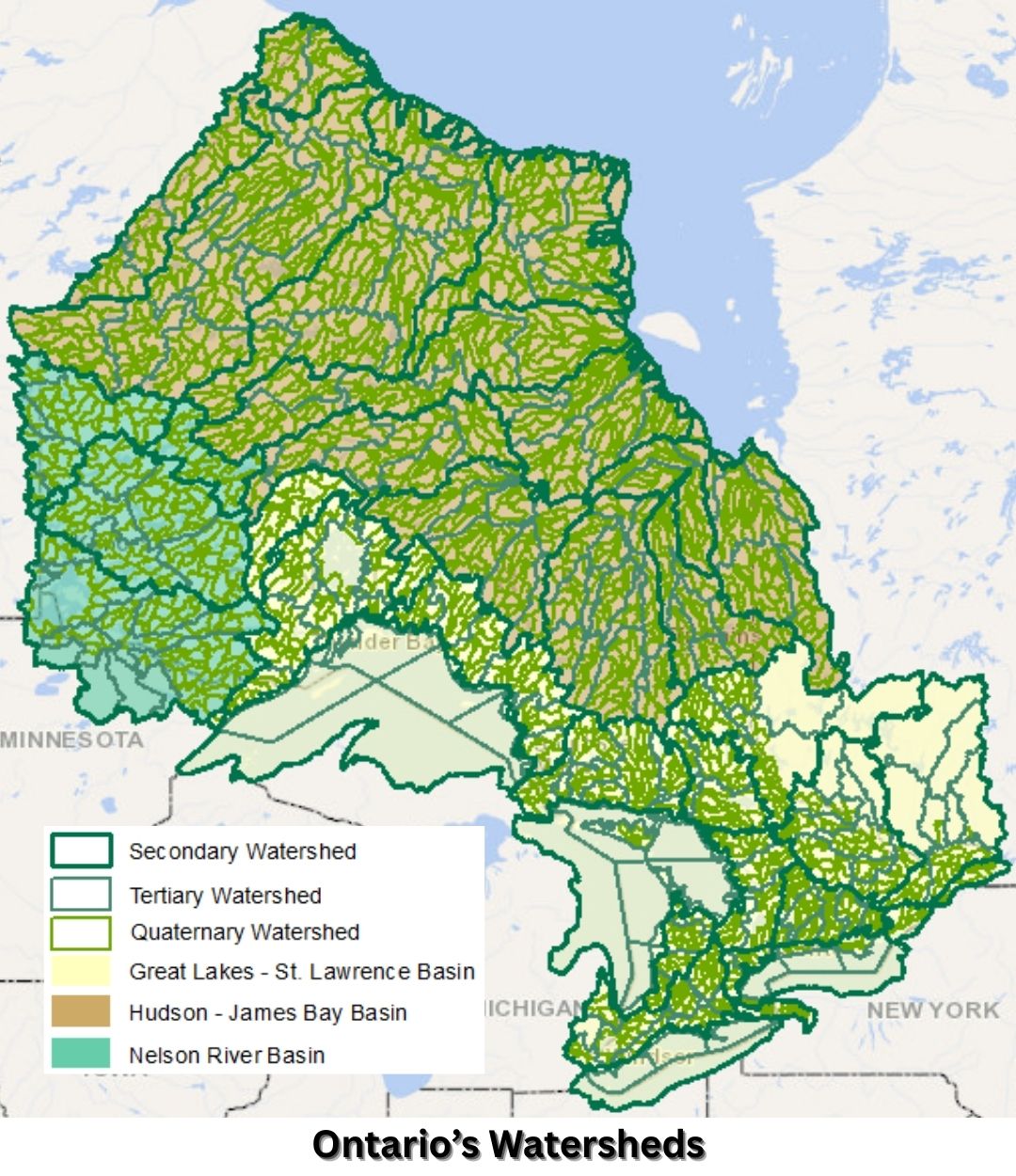
Watersheds, also known as drainage or catchment basins, are areas of land that drain into marshes, streams, rivers, and lakes, which, in turn, flow to a common outlet such as a larger river, lake, or other body of water. Some watersheds cross municipal, provincial and even international borders. Watershed sizes can vary from millions of acres to just a few acres that drain into a pond, depending on the scale at which the watershed is defined. In Canada, watersheds are categorized as primary, secondary, tertiary or quaternary.

Why healthy watersheds are important:
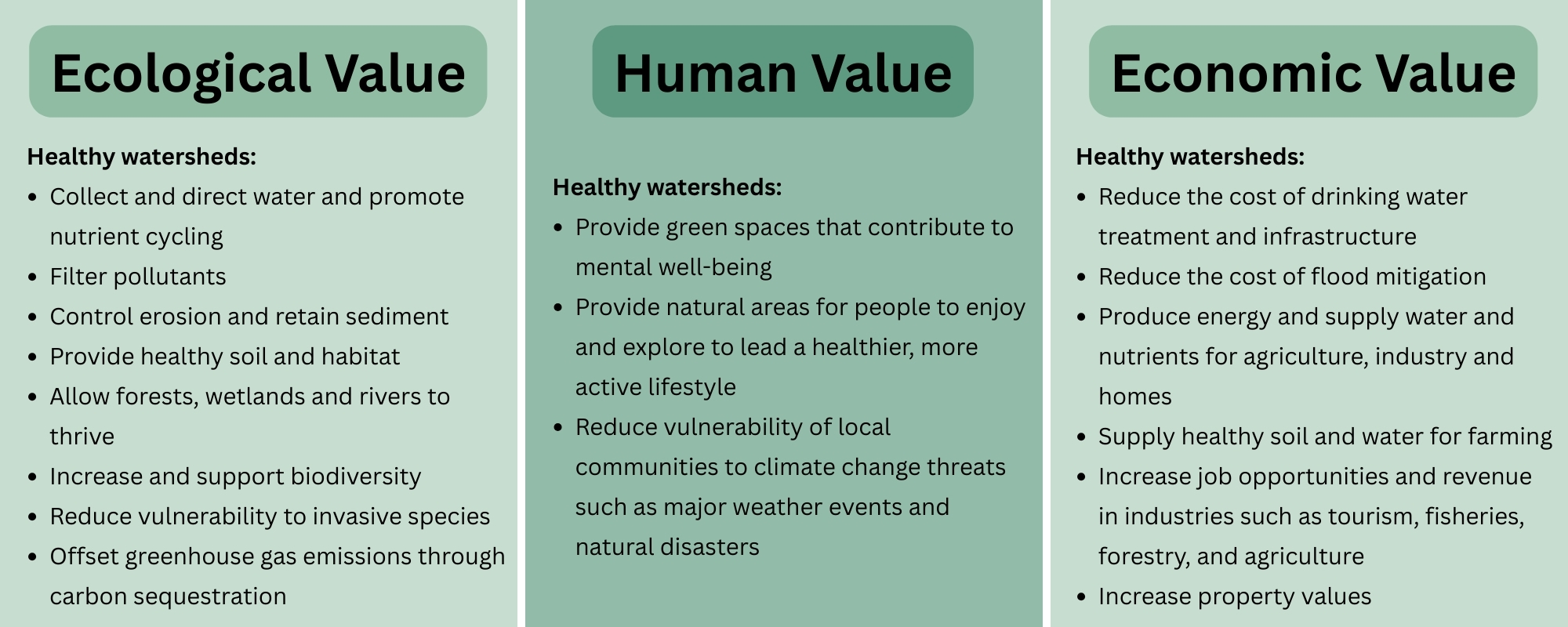
Healthy watersheds provide a wide range of benefits that sustain and enhance the quality of life for both people and the environment. They are essential to the health of forests, wetlands, rivers and wildlife, while also providing recreational opportunities and green spaces that support human wellbeing. Healthy watersheds also help communities adapt to the impacts of climate change by reducing flood risks, improving water quality and storing carbon; and contribute to local economies. Because of these many benefits, effective, integrated watershed management to conserve, protect, and restore them is of utmost importance. However, watershed management can be challenging, as it requires well-designed and adaptive plans and strategies that balance environmental protection with economic activity and societal needs.
Key threats to watershed health:
Ironically, many of the key threats to watershed health are the same challenges that healthy watersheds help mitigate, including:
- Pollution from both non-point (e.g. urban run-off) and point (e.g. factory discharge) sources
- Altered or reduced water flows and habitat loss through intentional human development or land-use conversion
- Changes in precipitation patterns and rising temperatures as a result of climate change that lead to increased frequency and intensity of floods and wildfires
Impacts of climate change:
- Reduced water flow
- Warmer surface water
- Loss of wetlands and forest cover
- Loss of plant and animal biodiversity
- Loss of pollinators
What is Integrated Watershed Management?
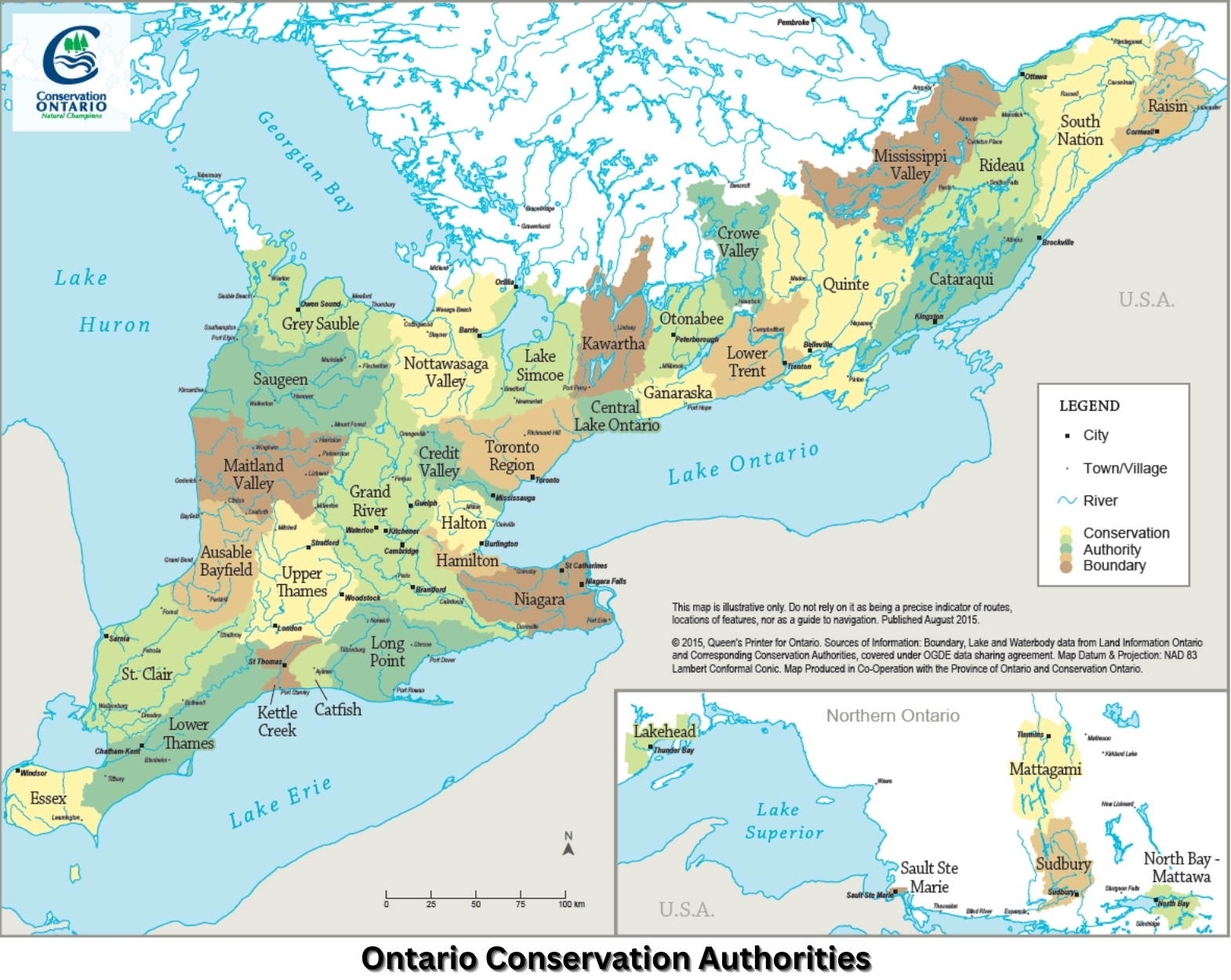
As defined by the Canadian Council of Ministers of the Environment (2016), integrated watershed management (IWM) is “a continuous and adaptive process of managing human activities in an ecosystem, within a defined watershed.” Most provinces and territories in Canada have some form of IWM (or similar) mandate with varying levels of governance and decision-making. For example, in Southern Ontario, Conservation Authorities play a key role in IWM. And, did you know? ACER has worked with 14 of 36 Conservation Authorities to help protect and restore watersheds as part of ACER’s Riparian Rangers program!
Core principles of the IWM approach:
- Is grounded in science
- Focuses on protecting, conserving, restoring and enhancing aquatic and terrestrial ecosystems
- Requires communities and municipalities to work together to identify and prioritize the issues that need to be addressed
- Considers environmental, economic and societal needs, recognizing that they are interconnected and can influence one another in both positive and negative ways
- Employs an adaptive management approach, ensuring plans and strategies are monitored and updated over time
- Relies on collaborative governance across many levels
What YOU can do to help protect your local watershed:
- Take shorter showers and turn off water sources when not in use
- Drive less and walk/bike/take public transit more—many pollutants in our waterways come from car exhaust and car leaks
- Dispose of toxic chemicals such as paint, oil and antifreeze at a hazardous waste centre
- Drop off excess prescription medications at your local pharmacy
- Use wood, rocks, brick or gravel, rather than cement or asphalt, for outdoor surfaces and yards to reduce rainwater runoff
- Plant native plants—their deeper roots help reduce erosion and add to groundwater resources
- Avoid the use of chemical fertilizers—consider organic alternatives instead
- Recycle yard waste into compost or mulch
- Use a rain barrel to collect water for your outdoor plants
- Pick up your dog’s poop and dispose of it at home—left in the park, or on the sidewalk or trail, it will degrade the quality of nearby waterways
- Support or take part in watershed restoration and clean-up initiatives
Want to learn more? Check out the following resources!
- https://agriculture.canada.ca/en/environment/resource-management/managing-water-sustainably/understanding-watersheds
- https://conservationontario.ca/conservation-authorities/watersheds-101
- https://conservationontario.ca/policy-priorities/integrated-watershed-management/
- https://geohub.lio.gov.on.ca/maps/mnrf::ontario-watershed-boundaries-owb/about
- https://www.ijc.org/en/watersheds/great-lakes